
If you have repainted your home’s external walls three times in two years and you see the same patch, same corner coming out, every single time, you might be wondering why it keeps coming back!
That's the thing about damp and mould on external walls: it keeps spoiling them no matter what you do.
Sorting it properly isn't hard once you know where to look, but most people never get past painting over the symptom.
Delve into this blog to know how to prevent damp and mould on external walls!
What's Really Causing Damp and Mould on External Walls
Paint is the classic quick fix, and it's also why so many people end up doing it twice. A fresh coat covers the mark for a season, maybe two if you're lucky, then it's back in the exact same spot.
That happens because paint does nothing to fix whatever let the moisture in to begin with.
Underneath, you're usually looking at one of a few things.
Old render with hairline cracks that widen every winter, letting rain straight through to the brick.
A gutter that's been quietly overflowing behind a downpipe you never look at.
Or, a wall that's just cold enough on the inside surface for condensation to form there on its own, no leak required.
Only the first two are really about water getting in from outside. The last one is about heat loss, which is a slightly different problem and needs a slightly different fix.
How to prevent damp and mould on external walls?
None of this requires ripping the house apart; most of it is just paying attention.
Clear your gutters properly twice a year, not a quick glance; actually get up there or get someone up there.
A blocked gutter that sends water down the wall face is one of the most common causes of damp walls, and it costs almost nothing to sort out.
Next, walk the outside of the house every few months and look at the render itself.
Hairline cracks don't look like much, but water gets into them, freezes, expands, and the crack that was nothing in October is a real problem by March.
Run extractor fans when you're cooking or showering, and crack a window if you're drying laundry indoors; it sounds obvious, but a huge amount of internal condensation can be traced back to exactly this.
Pull furniture, especially anything solid like a wardrobe, an inch or two off external walls if you can.
If after all of this, the patch keeps coming back in the same place no matter what you do inside the house, the wall itself is probably the issue, not your habits.
That's genuinely the hardest bit to judge from the outside, and it's where a lot of homeowners get stuck guessing.
When It's a Render Problem?
If the same wall keeps dampening up year after year, the render on it has likely done its job and is now past it.
Old or thin render doesn't just look tired; it's actively letting water through while holding the wall colder than it should be, which is more or less the exact recipe mould needs.
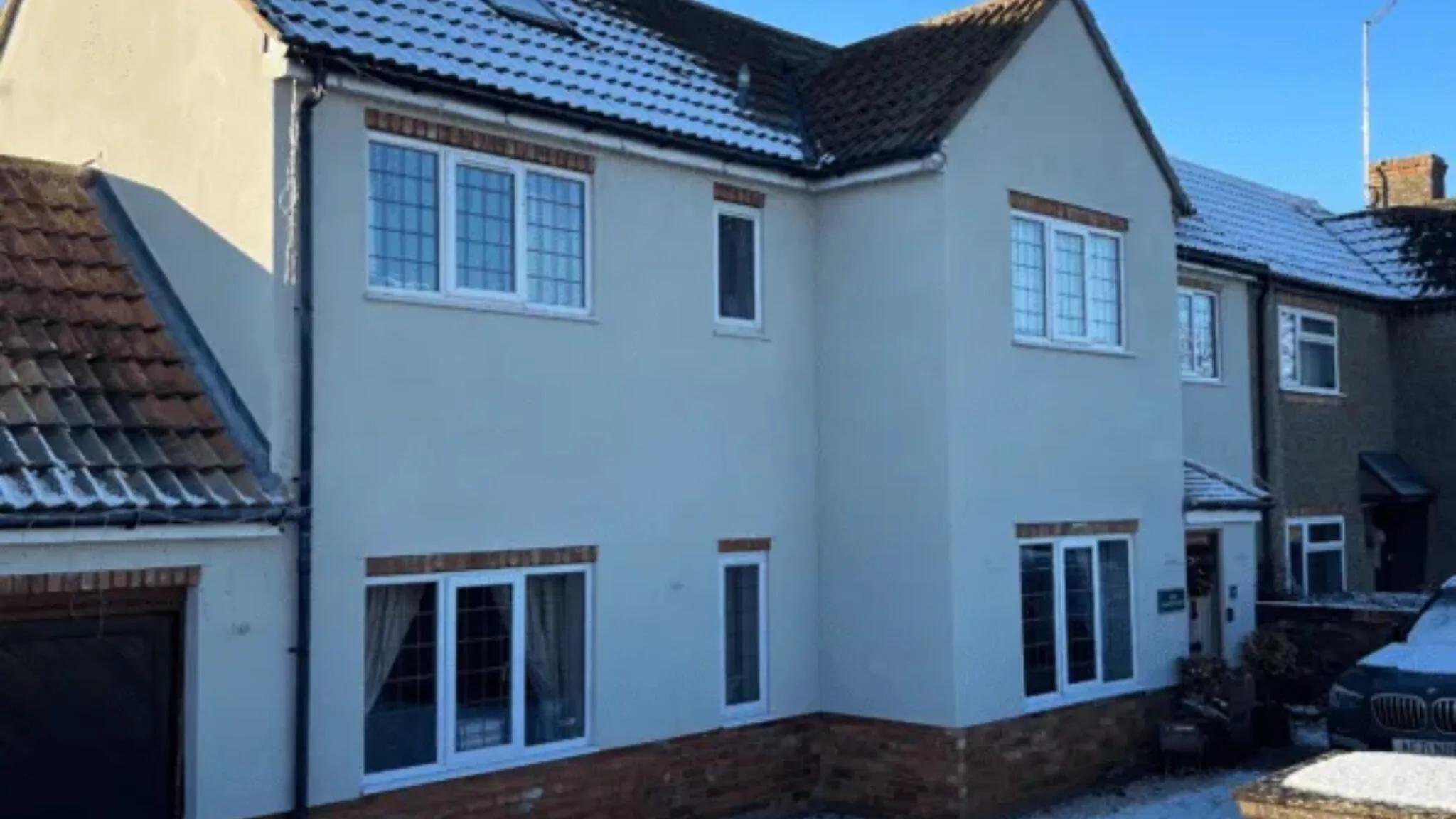
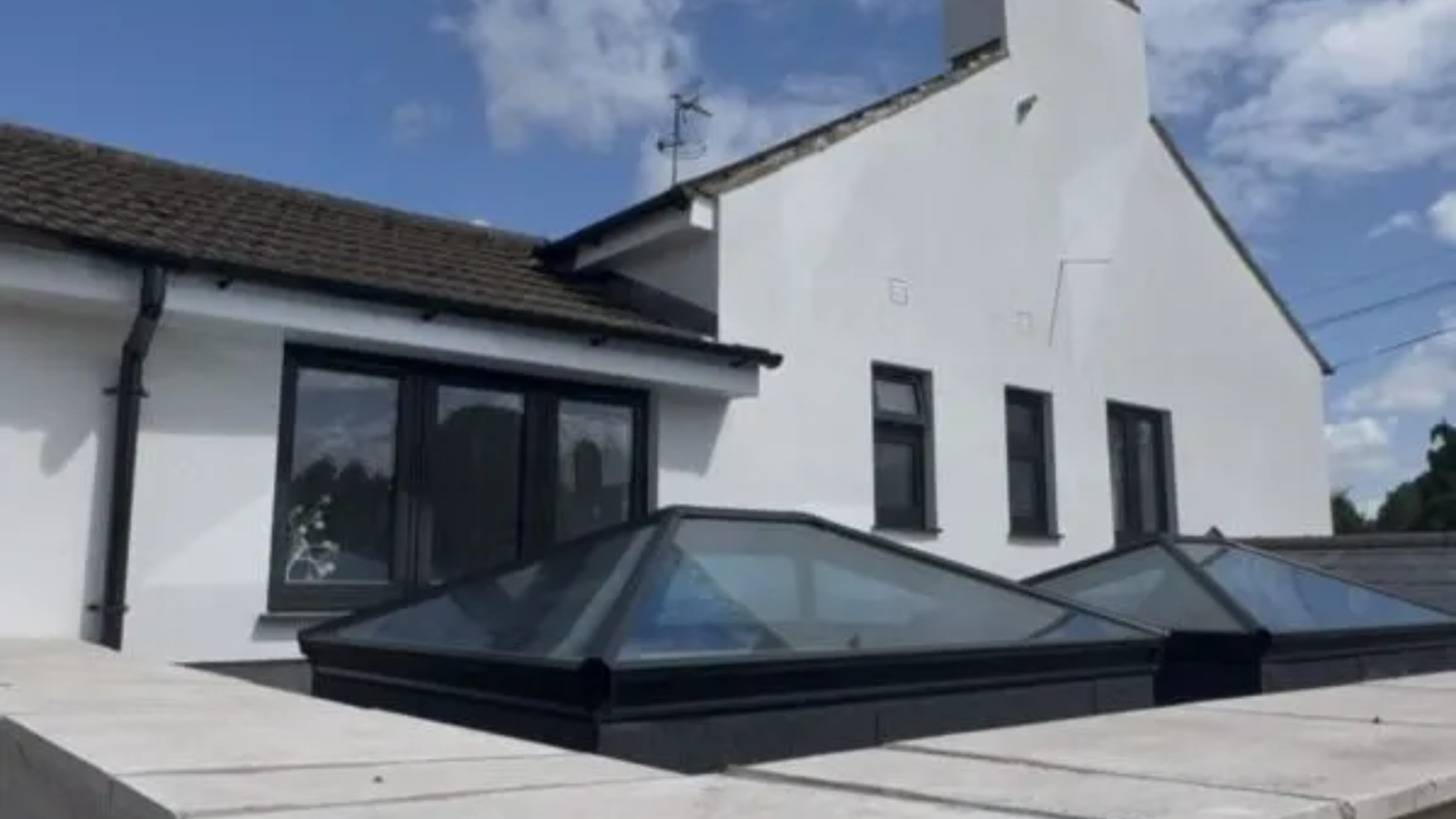
This is the point where a proper external rendering job, rather than another repaint, actually solves it rather than delaying it.
A well-specified system does two things a lick of paint never will.
It gives the brickwork a genuinely weatherproof, breathable outer layer, and it insulates the wall enough that the internal surface stays warm, which is the single biggest factor in whether condensation forms in the first place.
Spray-cork systems have picked up a decent reputation for this specifically, mostly because the material stays flexible rather than cracking the way older renders do, and the thermal-jacketing effect noticeably warms the wall through winter instead of just hiding a problem that resurfaces the following year.
Bottom Line
From the above explanation on how to prevent damp and mould on external walls, you might now understand that it is mostly about not ignoring the small stuff and being honest when the wall itself is the actual culprit.
If you're around Milton Keynes and you've had the same patch return for more than one winter, a repaint isn't going to be the fix this time.
That's exactly the situation external rendering in Milton Keynes is designed for, and it's worth having an insulated render properly assessed before the cold sets back in.
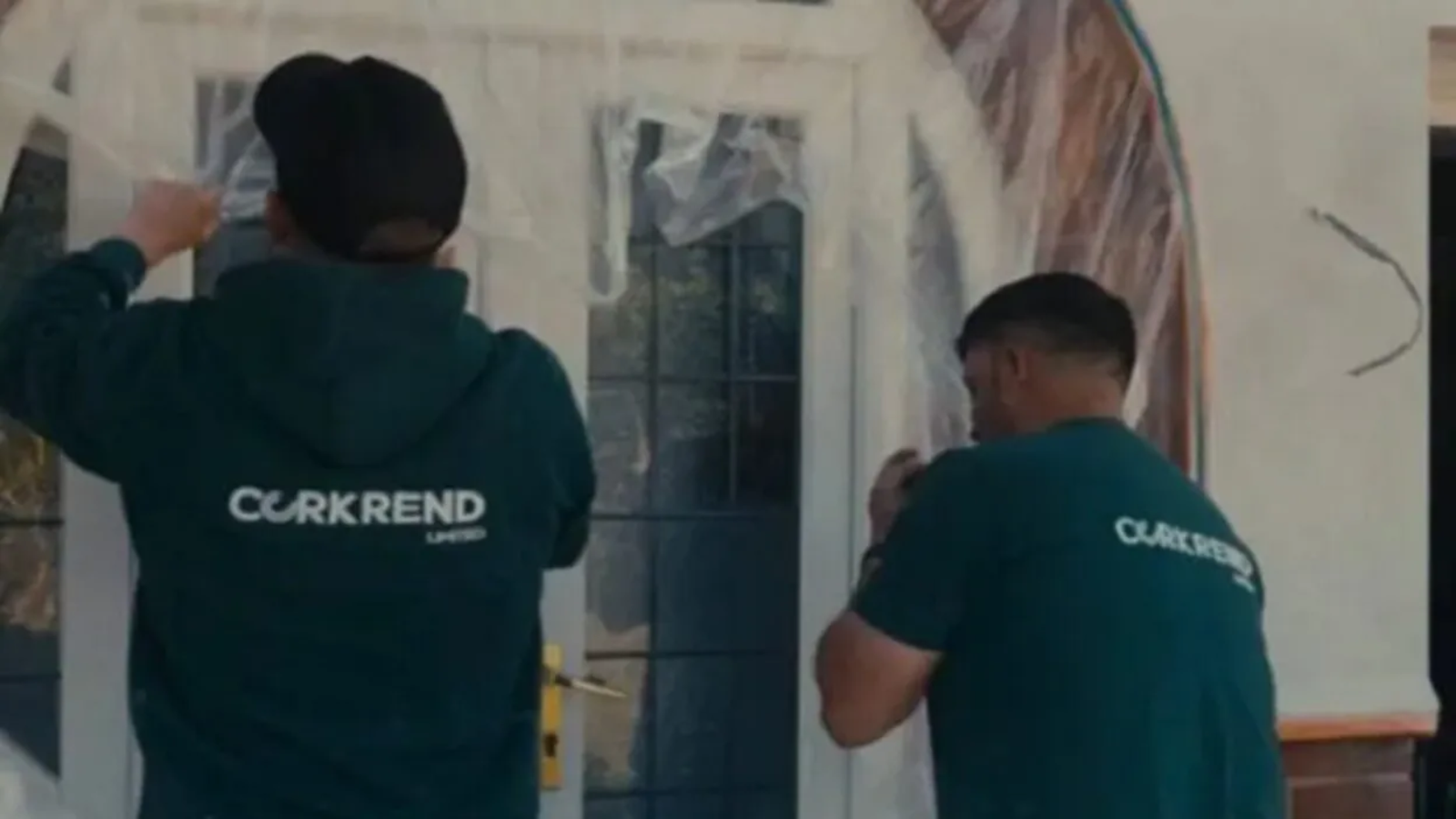
CorkRend works exactly this way: spray-applied cork through to full external wall insulation, backed by a 25-year system guarantee.
If you'd rather find out what's actually going on than repaint that same corner a fourth time, get in touch with our team for a quick assessment.
Disclaimer: The information provided in this content is just for educational purposes and is written by a professional writer. Consult us to learn more about how to prevent damp and mould on external walls.



Write a comment ...